
TL;DR: Starting a laser engraving business can be profitable, but the machine does not guarantee income. Some markets are crowded, there is a learning curve, and marketing takes real work. You do not need to be a professional artist or an experienced laser operator, but sustainable income depends on finding customers, choosing the right products, pricing accurately, controlling costs, and consistently running the business.
Starting a Laser Cutting & Engraving Business
If you are thinking about starting a laser engraving business, you probably have a few practical questions. Is laser engraving profitable? Is the market already saturated? Can it work as a side hustle? Could it eventually become a full-time business? How hard are the machine and software to learn?
Those concerns are reasonable. A laser can create valuable products and open the door to many kinds of work, but it is still a business tool. It does not automatically bring in customers, set the right prices, or create a steady stream of orders. Success depends on what you sell, whom you serve, how well you manage your costs, and how consistently you market and deliver the work.
The ten myths below are not all completely false. Most contain at least a little truth. Here is what you should actually consider before starting a laser cutting and engraving business.
Myth 1: The Market Is Already Too Saturated
The reality: Some laser product categories are crowded, especially online markets filled with similar tumblers, cutting boards, ornaments, and signs. That does not mean every part of the laser engraving market is saturated.
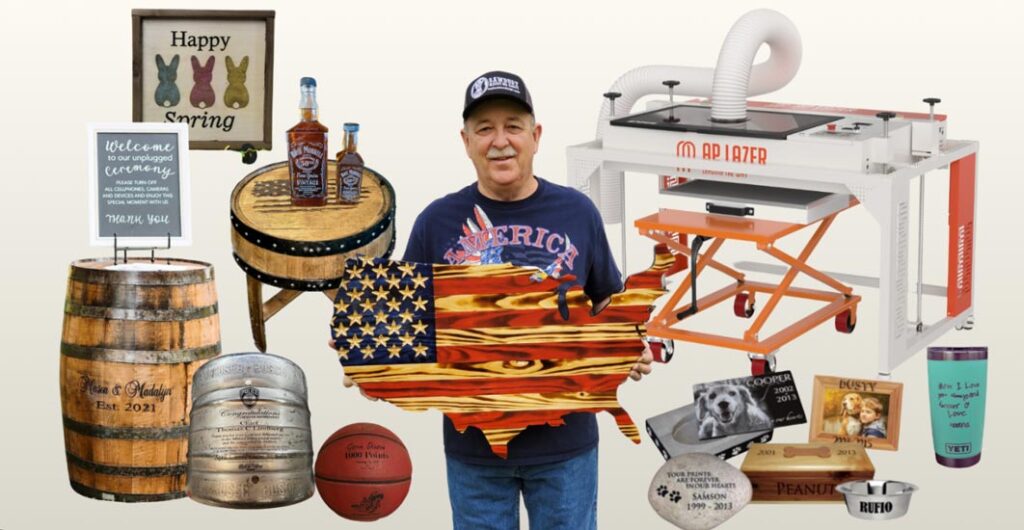
Competition changes depending on the product, customer, location, turnaround time, and service you provide. A generic product can be difficult to differentiate, while a business that serves a specific need may face much less direct competition. Local business signage, contractor products, memorial work, branded corporate orders, larger items, and specialty personalization can all involve different customers and buying decisions.
The laser itself is not the competitive advantage. The advantage comes from knowing whom you want to serve and giving that customer a strong reason to choose you. That reason might be faster local service, reliable bulk production, unusual materials, better communication, or the ability to handle products that other shops cannot.
Before investing heavily, talk to potential customers and show them a few realistic samples or mockups. Ask what they already buy, what frustrates them about their current options, how often they order, and what turnaround they expect. Testing a specific idea is much more useful than assuming that general interest in personalized products will turn into sales.
Download our Free Business Startup Guide below to further explore the potential of this industry and how you can get your new laser engraving business started today.
Myth 2: A Laser Engraving Machine Is Too Hard to Use
The reality: There is a learning curve, but the process becomes manageable with training, testing, and repetition.
Using a laser is sometimes compared to sending a file to a printer. That is helpful as a basic analogy, but it leaves out important steps. You still need to prepare the file, position and focus the material, choose appropriate settings, provide proper ventilation, operate the machine safely, and maintain it. When a result is not right, you also need to know whether the problem came from the artwork, material, focus, settings, or machine.
The difficulty depends on what you want to make. Adding a name to a familiar product is different from preparing a photograph for engraving, cutting fitted acrylic parts, or producing a large repeat order. Most beginners become comfortable by starting with a small number of materials and applications instead of trying to learn everything at once.
When comparing machines, ask to see a demonstration using something similar to the products you plan to sell. Pay attention to the entire process, not only the moment the laser runs. A useful demonstration should show file preparation, setup, focusing, testing, production, and the finished result.
Our machine recommendation tool asks about material, product size, cutting needs, workspace, and expected applications. Those questions connect the equipment decision to the work you actually intend to do.
Myth 3: A Laser Engraving Business Won’t Produce a Return on Investment
The reality: A laser can produce a return on investment, but the payback depends on the total startup cost, what each order contributes after direct costs, and how much well-priced work the business completes.
Your initial investment may include the machine, freight, setup, ventilation, electrical work, software, accessories, and starting materials. Ongoing costs can include labor, packaging, shipping, payment-processing fees, marketing, maintenance, insurance, rent, utilities, and products that must be remade. Profit is what remains after those costs—not simply the difference between the blank and the selling price.
For example, imagine a personalized product sells for $75 and the blank costs $15. The remaining $60 is not profit. If artwork, customer communication, setup, engraving, and finishing account for $20 in labor, while packaging, fees, and an allowance for occasional remakes add another $10, the order contributes about $30 toward overhead, equipment payments, taxes, and profit. This is only an illustrative example, but it shows why markup on the blank does not tell the whole story.
Return on investment also depends on volume and machine utilization. A machine that rarely runs will take longer to pay for. A machine that stays busy with underpriced work may not create an attractive return either. The goal is to produce enough appropriately priced work to cover the full cost of operating the business.
Before buying, build a conservative estimate based on the products you expect to sell, the contribution from each order, and the number of orders you can realistically attract and fulfill. Do not assume customers will arrive as soon as the machine does.
Myth 4: I Won’t Be Able to Learn the Laser Engraver Software
The reality: Laser software takes practice, but you do not need to become an expert designer overnight.
One of the first concepts to learn is the difference between raster and vector files. Raster images are made from pixels and are commonly used for photographs. Their resolution, contrast, and preparation affect the quality of the engraving. Vector graphics are built from lines and curves, can be resized cleanly, and are commonly used for cutting, scoring, outlines, and simple artwork.
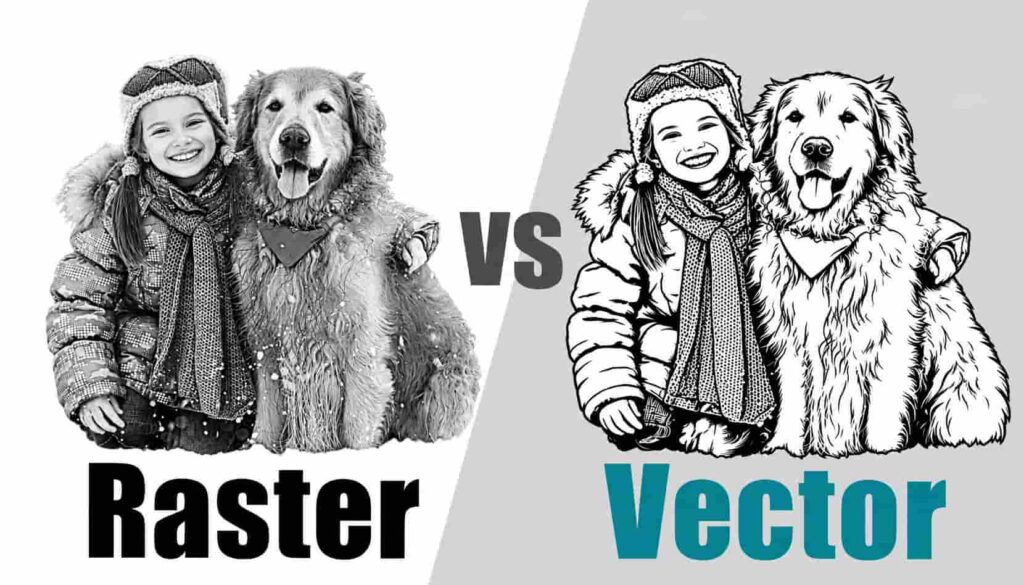
You will also need to understand how the software tells the machine what to do. A line intended for cutting needs different settings from an area intended for engraving. Low-resolution logos may need cleanup, and files downloaded from a customer or marketplace are not always ready to use without adjustment.
Programs such as LightBurn and CorelDRAW can be part of the workflow, along with photo-preparation or other design tools. The exact software depends on the machine, controller, and package. Depending on the AP Lazer system and purchase option you select, your software may include LightBurn, CorelDRAW, PhotoGrav, or a combination of these tools. We will help you confirm what is included with the system you are considering.
The most practical way to learn is to focus first on the tasks required for a few products: importing artwork, adding names or dates, assigning settings, preparing a simple vector cut, and saving a repeatable template. More advanced design skills can come later. We also provide an online learning center as part of eligible packages so owners can continue learning at their own pace. With all of our available support systems, we’ll make sure you’re creating your own masterpieces in no time.

Myth 5: Marketing Will Be Too Hard and Time-Consuming
The reality: Marketing can be time-consuming, and a laser does not automatically generate customers. The work becomes more manageable when you know exactly whom you are trying to reach.
“We can engrave almost anything” may be true, but it is not a very specific reason to buy. A message such as “We create branded closing gifts for local real-estate teams” gives the customer a clearer picture of the service. The narrower offer is also easier to demonstrate with samples, photographs, and customer stories.
Depending on the audience, marketing might include local networking, referrals, social media, business outreach, craft shows, partnerships, or samples. Posting finished projects can help, but simply placing a few photos on Facebook is unlikely to build a business by itself. Consistent follow-up and good customer service matter, especially when you are trying to earn repeat orders.
A sample is most effective when it starts a relevant conversation. Leaving an engraved coaster with a restaurant owner, for example, makes more sense when you can also explain how you could help with branded glassware, staff gifts, table markers, event pieces, or customer giveaways.
Start with one audience and a small number of ways to reach it. Track which conversations become quotes, which quotes become orders, and which customers return. That information will tell you where your marketing time is actually paying off.
Myth 6: I’m Not Artistic Enough to Start a Laser Engraving Business
The reality: You do not need to be a professional artist, but you do need enough design judgment and file-preparation skill to produce work customers want to buy.
Many personalization jobs begin with simple elements: a name, date, short message, photograph, or customer logo. Templates, fonts, purchased design assets, properly licensed artwork, and basic layout changes can provide a starting point. Customers may also bring you an idea or an existing file that needs to be prepared for the laser.
Being creative in this business does not always mean drawing original artwork. It may mean choosing the right product, finding an appealing material combination, presenting personalization well, or solving a customer’s problem in a way that feels thoughtful.
However, downloaded artwork is not automatically available for commercial use. Fonts, templates, graphics, photographs, logos, sports teams, characters, and other protected designs may carry restrictions. Check commercial-use licenses, keep records of purchased permissions, and make sure customers have the right to use the artwork they provide.
The goal is not to become a professional illustrator. It is to learn enough about layout, readability, file quality, and licensing to create dependable products and avoid preventable mistakes.
Myth 7: There Is No Money in Engraving
The reality: The revenue opportunity is broader than selling individual personalized gifts. Laser businesses can earn sales from consumer products, business accounts, repeat orders, service work, and specialized applications.
Myth 3 addresses whether sales leave enough money after costs to repay the investment and produce a profit. This section addresses a different question: where can a laser engraving business find enough sales in the first place?
Personalized consumer products are the most visible part of the market, but they are only one revenue source. A business can sell gifts for weddings, anniversaries, holidays, and memorial occasions. It can also serve companies that need branded products, signs, awards, displays, labels, employee gifts, or customer gifts. Schools and nonprofits may order donor recognition pieces, awards, or fundraising bricks. Funeral homes and monument businesses may add personalized memorial products. Contractors, woodworkers, and sign shops may use engraving to expand the work they already provide.
Those markets create different kinds of revenue. A personalized gift is often a one-time consumer purchase. A local business may reorder employee awards or branded gifts throughout the year. A sign shop may bring recurring contract work. A funeral home may incorporate engraving into an existing service. A nonprofit brick campaign may create a larger project with many personalized pieces. The goal is not to pursue every opportunity; it is to find the revenue model that fits the customers you can reach.
Specialization can also open doors that generic products do not. Photo engraving, memorial work, large-object engraving, business-to-business production, and customer-supplied-item services can give customers a clearer reason to seek out a particular provider. Over time, a healthy product mix may combine accessible entry-level orders with repeat accounts or higher-value specialized projects.
Our application library shows examples across wood, acrylic, glass, leather, brick, and stone. These projects can help you see what is possible and identify ideas worth testing with your own customers.
Myth 8: I Won’t Know What to Create With My Laser
he reality: The range of possible products can feel overwhelming, but beginners do not need to launch with a huge catalog.
Start with a specific audience and a small number of products that solve a recognizable need. A business serving wedding professionals, for example, might test welcome signs, place markers, and personalized gifts. Those products share customers, referral partners, and some design work, making them easier to market together than dozens of unrelated items.
Show the ideas to potential buyers before purchasing large quantities of blanks. Track how long each product takes to design, set up, engrave, finish, and package. A product that looks promising may be difficult to price once all of that time is included. Another may be simple to repeat and lead naturally to larger or recurring orders.
Possible markets include personalized gifts, home décor, signage, business products, memorial products, contractor applications, and specialty engraving services. The best place to start is not necessarily the trendiest product. It is the intersection between a customer you can reach, a need they will pay to solve, and work you can produce reliably.
As demand becomes clearer, expand based on what actually sells. That approach is less exciting than launching with 50 products, but it usually produces better information and less unused inventory.
Myth 9: You Can’t Make a Full-Time Income With a Laser Engraving Business
The reality: Some people do build full-time businesses around laser engraving, but making money from a laser is different from creating a dependable full-time income.
A sustainable business needs consistent demand, appropriate pricing, healthy margins, enough production capacity, and an ongoing way to attract and retain customers. It also needs the less visible parts of a business: quoting, customer communication, purchasing, scheduling, bookkeeping, quality control, and problem-solving.
Laser run time tells only part of the story. A 15-minute engraving may require much more time for sales, artwork, approval, sourcing, setup, finishing, packaging, and delivery. If that time is not included in the price, a busy schedule can still produce disappointing results.
A laser engraving side hustle can be a useful way to test the business before relying on it for personal income. Several months of sales and expense records will show how consistent demand really is, how seasonal the work may be, and what the owner is actually earning for the time invested. Anyone considering the move to full time should also account for taxes, insurance, time off, equipment downtime, and the personal benefits that may currently come from an employer.
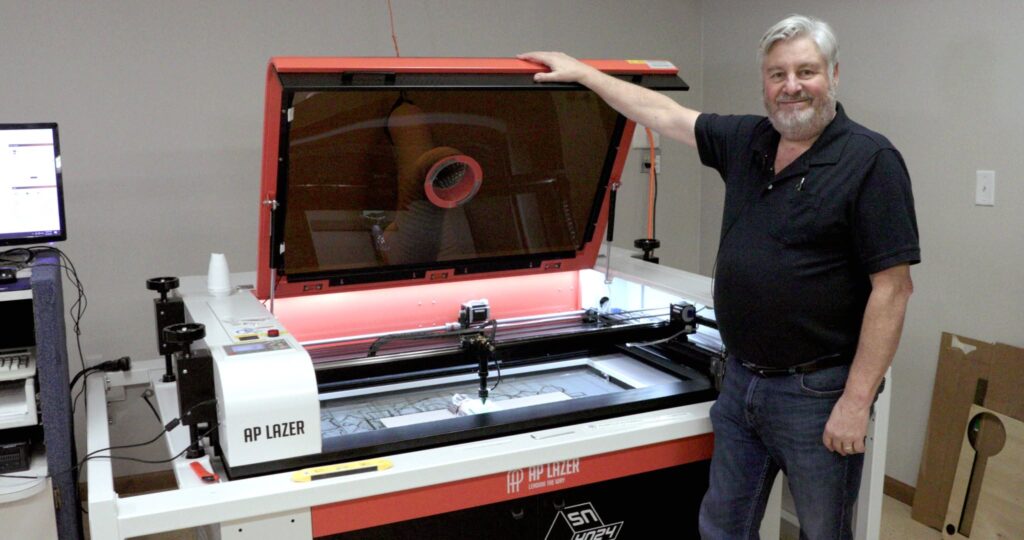
We publish video stories from AP Lazer business owners, including Jeff Nelson of Bolt Laserworks and owners serving several other markets. Their experiences show different ways business owners have put their machines to work. Every market and business is different, but these stories can provide useful perspective as you consider your own path.
Myth 10: I Won’t Have Any Support After I Buy a Laser
The reality: Reliable support matters, especially when you are learning new equipment or using it to serve paying customers. The type of training, warranty coverage, and ongoing help included with a laser can vary by machine and purchase package, so it is worth understanding those details before you buy.
When comparing your options, ask how training is delivered, how technical support works, and what assistance is available outside normal business hours. Find out whether help covers the machine, software, and applications. You should also understand the warranty, replacement-parts process, and the support included with the package you select. Clear answers make it easier to choose the right level of guidance for your experience and business needs.
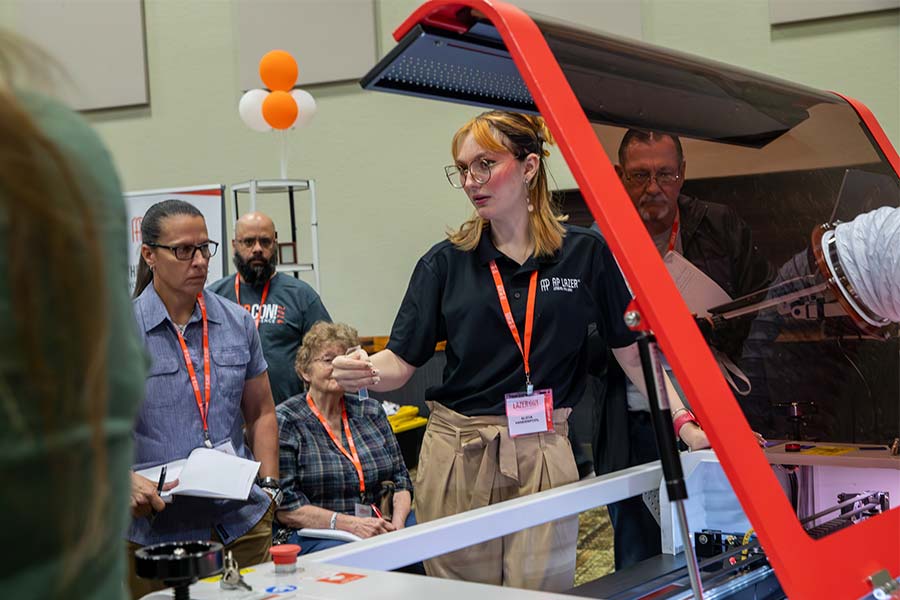
At AP Lazer, we offer training, online learning resources, an active owner community, and 24/7/365 US- and Canada-based technical support with eligible packages. Our STUDIO and INSPIRE options let you choose the combination of software, equipment, training, warranty coverage, and long-term support that best fits the way you want to get started. You can review our package guide and laser machine FAQs, and our team will explain exactly what is included with your selected package.
Support cannot replace safe operation or routine maintenance, but it can make unfamiliar problems easier to solve and reduce downtime. It belongs in the purchase decision alongside price, capability, training, and warranty coverage.
Is Starting a Laser Engraving Business Right for You?
Starting a laser engraving business can be a viable opportunity, either as a side hustle, a full-time operation, or an added service for an existing company. The machine itself is only one part of the equation.
The business still has to find customers, choose the right products and services, price the work correctly, control costs, learn the equipment, market consistently, and provide an experience that brings customers back. Some markets are crowded. Some products are difficult to price. Software and machine operation take time to learn. None of those realities automatically makes the business a poor idea, but they should be part of the decision.
The best first step is to identify the work you want to produce and the customers you expect to buy it. From there, you can determine the materials, capacity, workspace, training, and support you actually need.
Want to talk through whether a laser makes sense for your business?
Schedule a consultation with our team to discuss your products, materials, space, expected volume, and goals.