
Acrylic Laser Cutting & Engraving Machines
For signs, displays, lettering, and custom products.
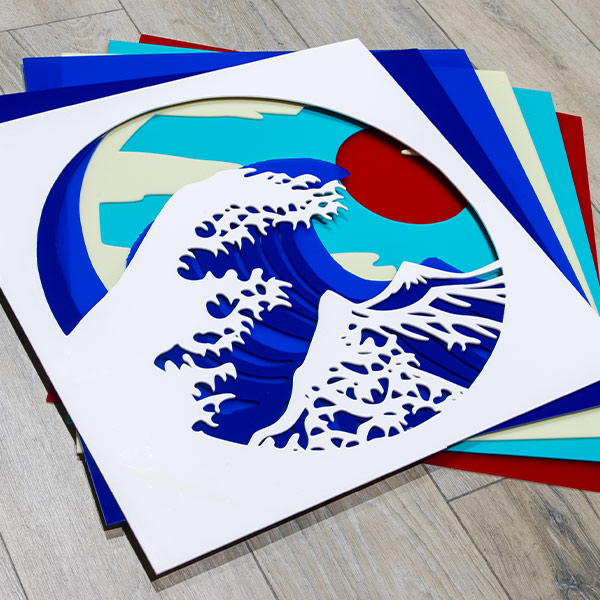
Cut and engrave acrylic for custom signs, dimensional lettering, retail displays, décor, personalized products, and more. Whether you’re creating one-off custom pieces or adding acrylic products to your business, AP Lazer CO2 machines give you the precision and flexibility to bring your designs to life.
AP Lazer’s convertible design and Low Rider technology give you added freedom for larger and unusually sized projects. Position material beneath the laser and work beyond the fixed boundaries of a traditional enclosed machine.
Get Catalog and Pricing Information
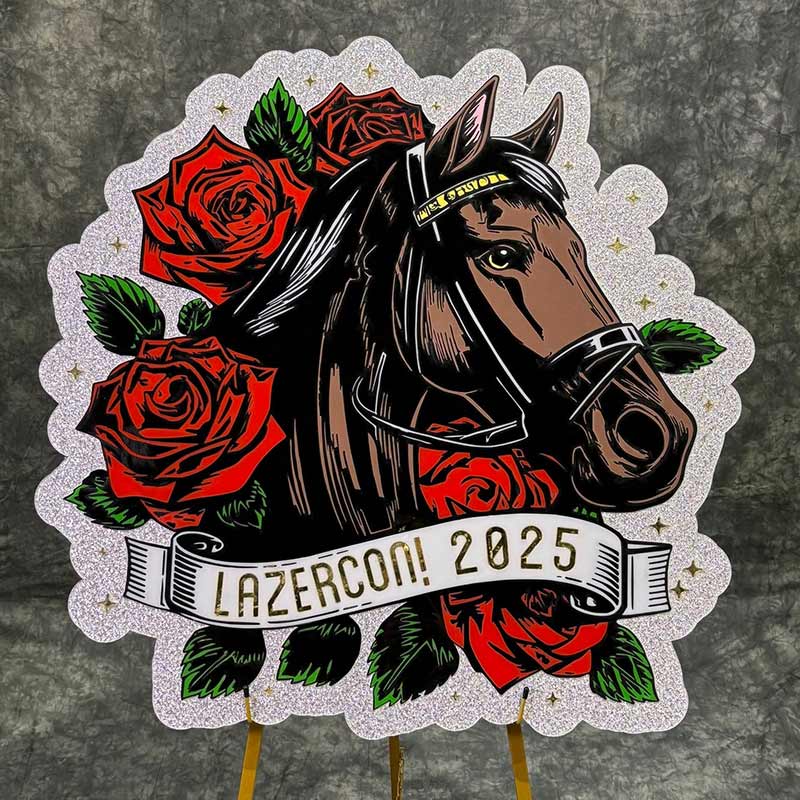
Cut and Engrave Acrylic with One Machine
An AP Lazer can handle both acrylic cutting and engraving, giving your business more flexibility without requiring separate equipment for different applications.
Cut acrylic shapes and letters, then engrave graphics, text, logos, or detailed artwork on the same machine.
Feature highlights:
- Acrylic cutting and engraving
- Detailed graphics and lettering
- Custom shapes and designs
- Multiple acrylic thicknesses and sizes
- Production of one-off and repeat projects
- Digital workflow from design to finished product
Designed for Acrylic Cutting Beyond the Limits of an Enclosed Laser
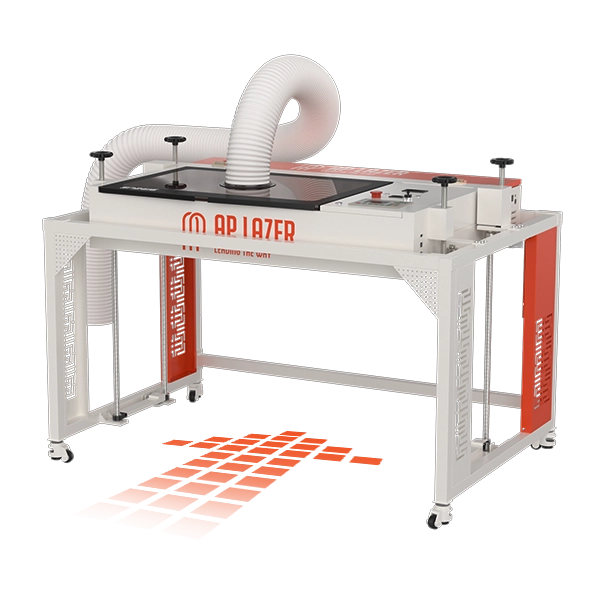
Convertible Design
Traditional enclosed laser cutters can limit what you can place inside the machine. AP Lazer’s convertible design allows you to position the laser head over the material, making it possible to work with large, oversized, heavy, or assembled objects.
This flexibility is especially useful when your acrylic project is larger than the available workspace of a conventional enclosed laser.
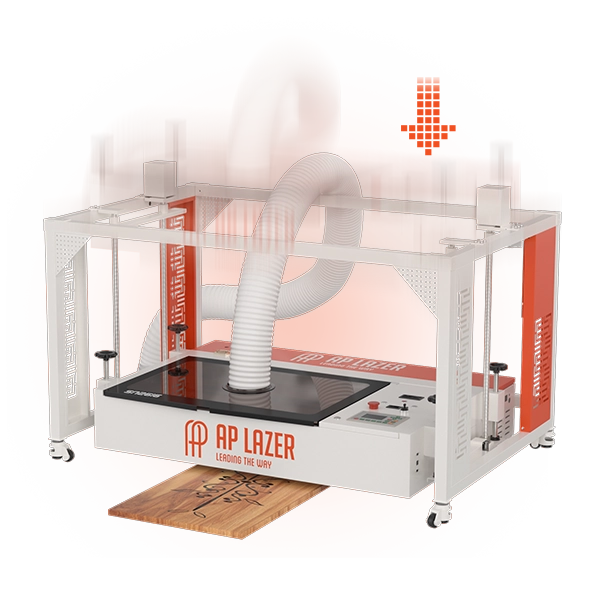
Low Rider Technology
AP Lazer’s Low Rider technology allows the laser head to move close to the floor, making it easier to work with large materials that would be difficult or impossible to load into a conventional laser enclosure.
Position your acrylic sheet, panel, sign, or oversized project where it needs to be and bring the laser to the material.
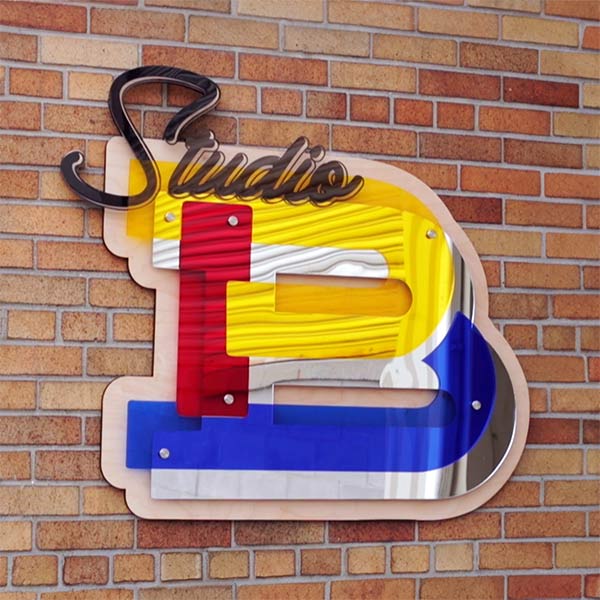
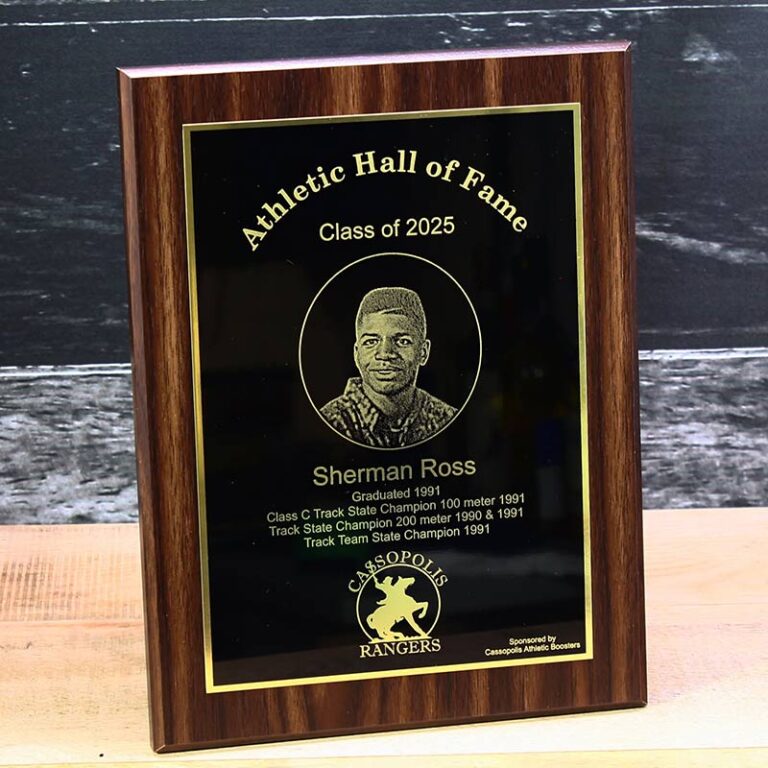
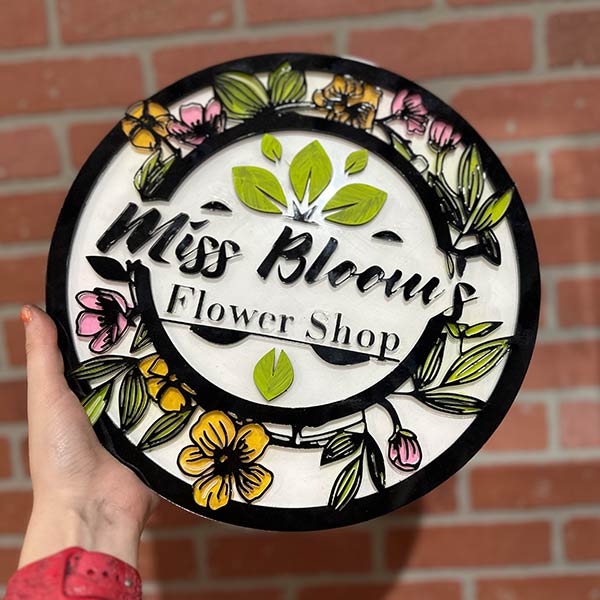
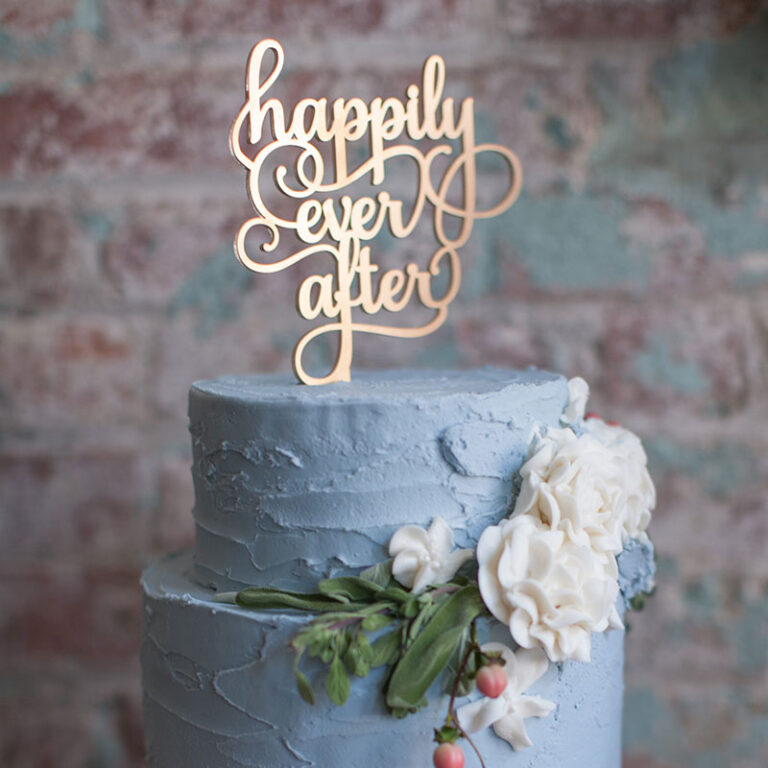
What can you make with an acrylic laser cutter?
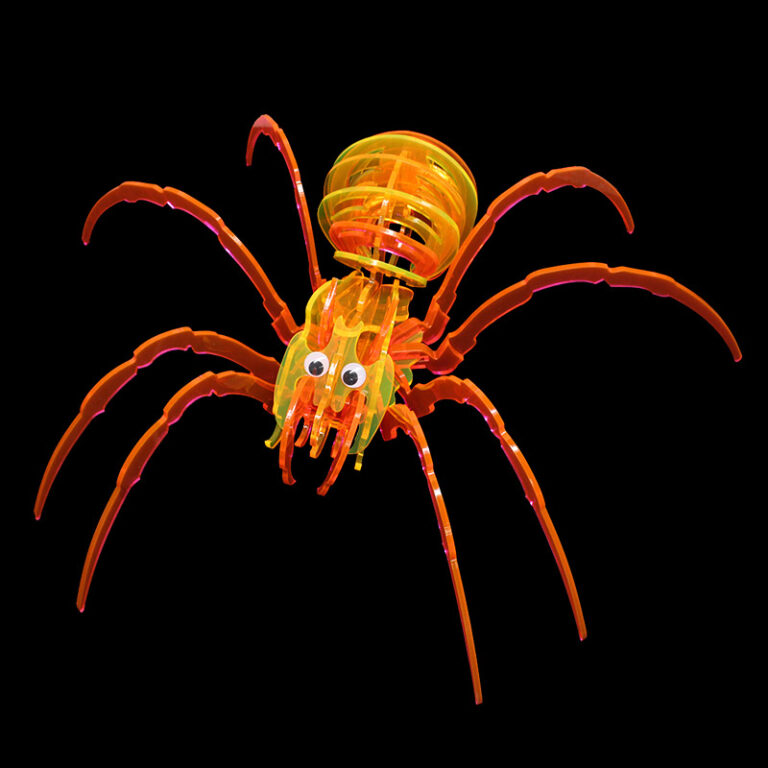
Cast or Extruded Acrylic: Which Should You Use?
Both cast and extruded acrylic can be processed with a CO₂ laser, but the right choice depends on your application and the finish you want to achieve. Understanding the differences can help you choose the best acrylic for laser cutting, engraving, and fabrication.
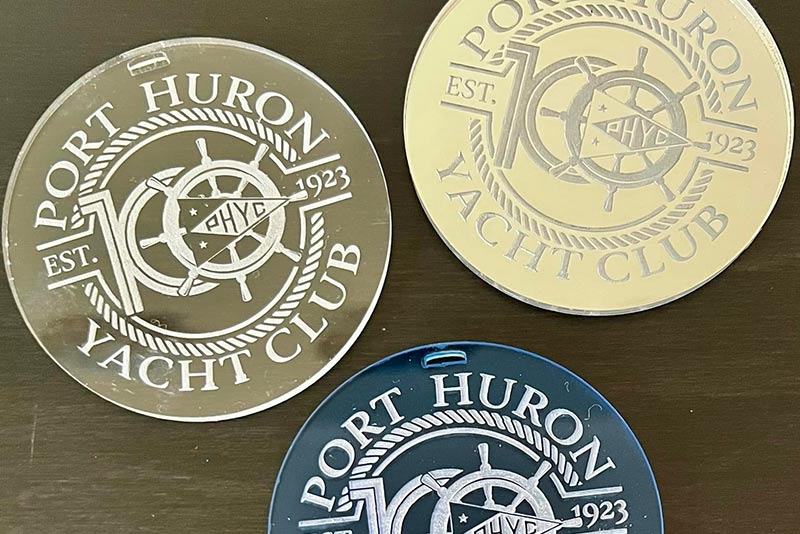
Cast Acrylic
Cast acrylic is often preferred for laser engraving because it produces a frosted, high-contrast finish when engraved. This makes engraved designs, text, logos, and graphics stand out clearly. Cast acrylic is also suitable for laser cutting and is available in a wide variety of colors, finishes, and thicknesses.
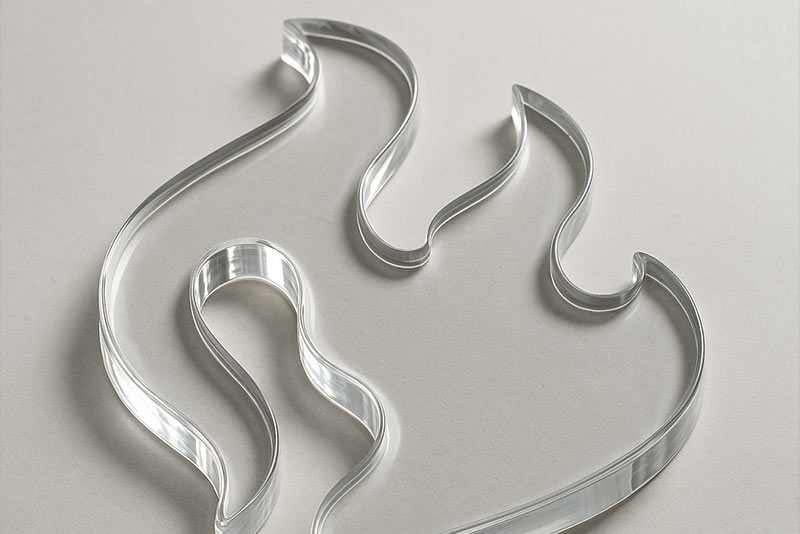
Extruded Acrylic
Extruded acrylic is well suited for laser cutting and produces clean, smooth cuts with a flame-polished edge. Its consistent thickness makes it a popular choice for applications where a smooth, finished edge is important. Extruded acrylic can also be laser engraved, although the engraving appearance can differ from cast acrylic.
How to Laser Cut Multi-Layered Acrylic Sign
Get Catalog and Pricing Information
1. Design Your Sign
Create your sign layout with letters, logos, shapes, and graphics. Separate each layer by color, size, or design element for an easy cutting process.
2. Prepare the Acrylic
Select the acrylic sheets for each layer and position them securely for cutting. Different colors and thicknesses can be combined to create contrast and dimension.
3. Laser Cut the Layers
Use an acrylic laser cutting machine to precisely cut each layer according to your digital design. The laser can create detailed shapes, lettering, and custom edges.
4. Assemble the Sign
Align the individual acrylic layers and attach them together to create a dimensional, multi-layered design.
5. Finish & Display
Clean and inspect the finished sign, then add mounting hardware or other finishing touches before displaying or installing your custom acrylic sign.
Why Choose an AP Lazer Acrylic Cutting Machine?
Open-Architecture and Low-Rider Design
Work with large, oversized, and difficult-to-position acrylic projects that may not fit inside a conventional enclosed laser.
Acrylic Laser Cutting & Engraving
Use one laser system for both cutting and engraving, giving you greater flexibility across different acrylic projects.
CO2 + MOPA Fiber Options
CO2 and MOPA Fiber capabilities allow your business to work with additional compatible materials and expand into new product categories.
24/7/365 Technical Support
Get help with machine operation, laser settings, software, maintenance, and troubleshooting from AP Lazer’s technical support team, available 24/7/365.
Training & Education
Build your laser skills with hands-on training and resources designed to help you get more from your machine.
Complete Business Solution
Get the equipment, training, software, and support needed to put your laser to work and grow your capabilities.
Find Your AP Lazer Dual Laser Machine
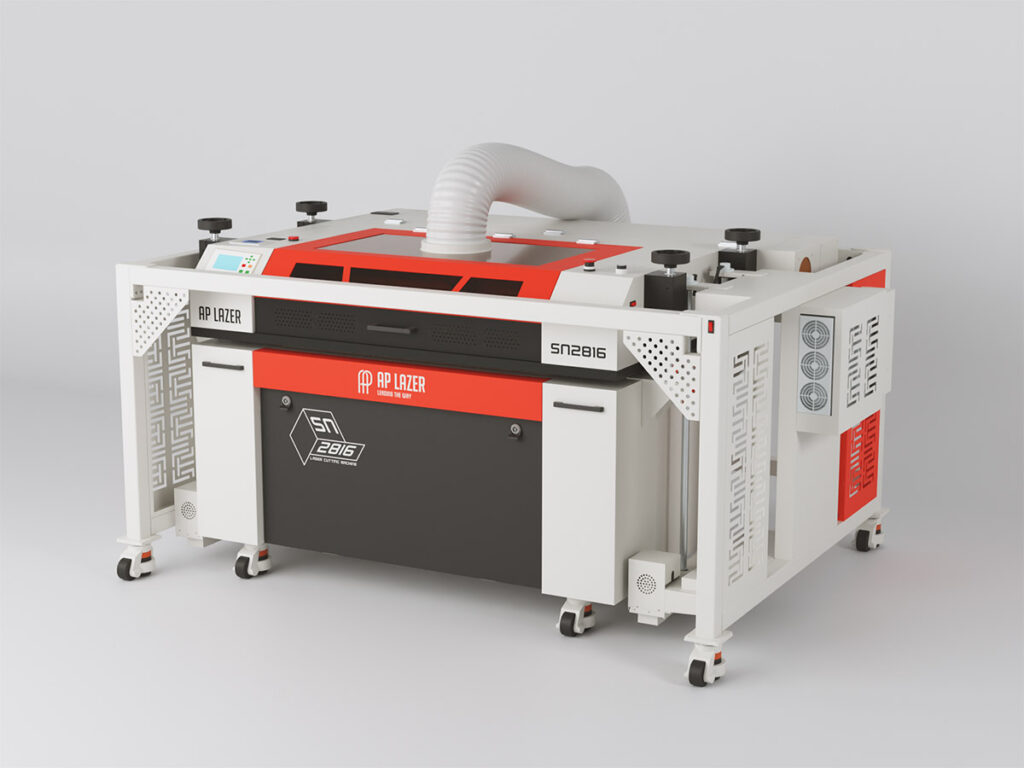
SN2816DLR
Turnkey Price: $23,999
Turnkey Price
$23,999
Engraving Area
28” x 16”
CO2 Power
90 W
MOPA Fiber Options
30 W : +$4,999
60 W : +$6,999
100W : +$8,999
Footprint
5.9′ x 4.3′
Lock-in Your Quote
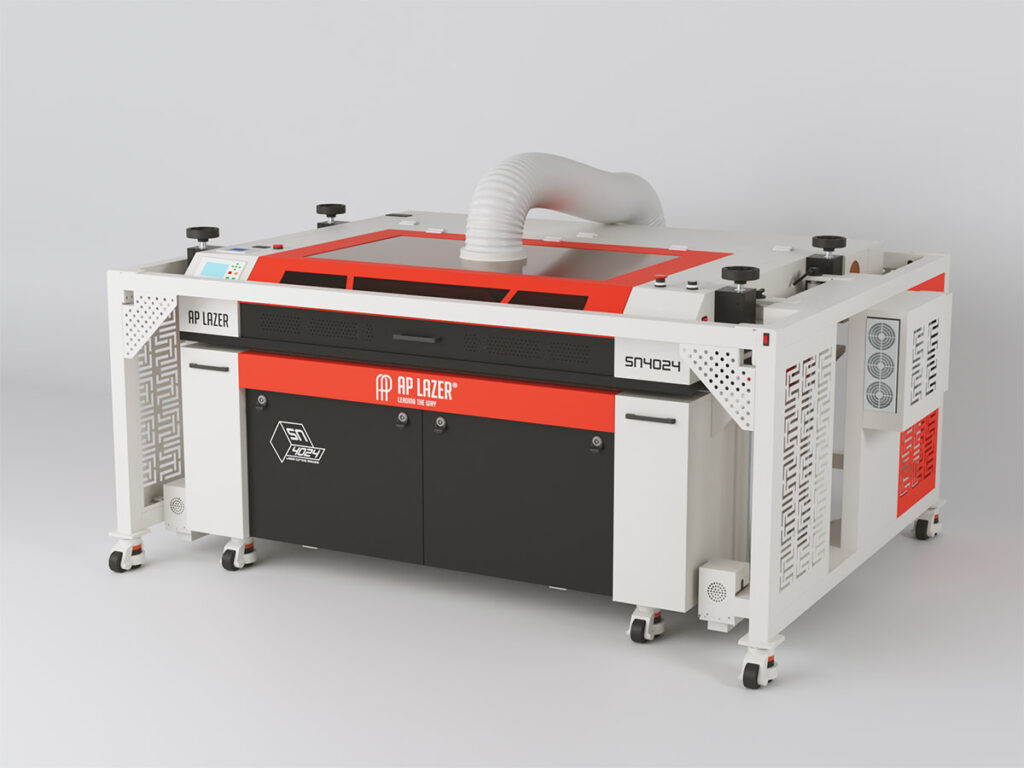
SN4O24DLR
Turnkey Price: $33,999
Turnkey Price
$33,999
Engraving Area
40” x 24”
CO2 Power
100 W
MOPA Fiber Options
—
60 W : +$6,999
100W : +$8,999
Footprint
6.7′ x 5′
Lock-in Your Quote
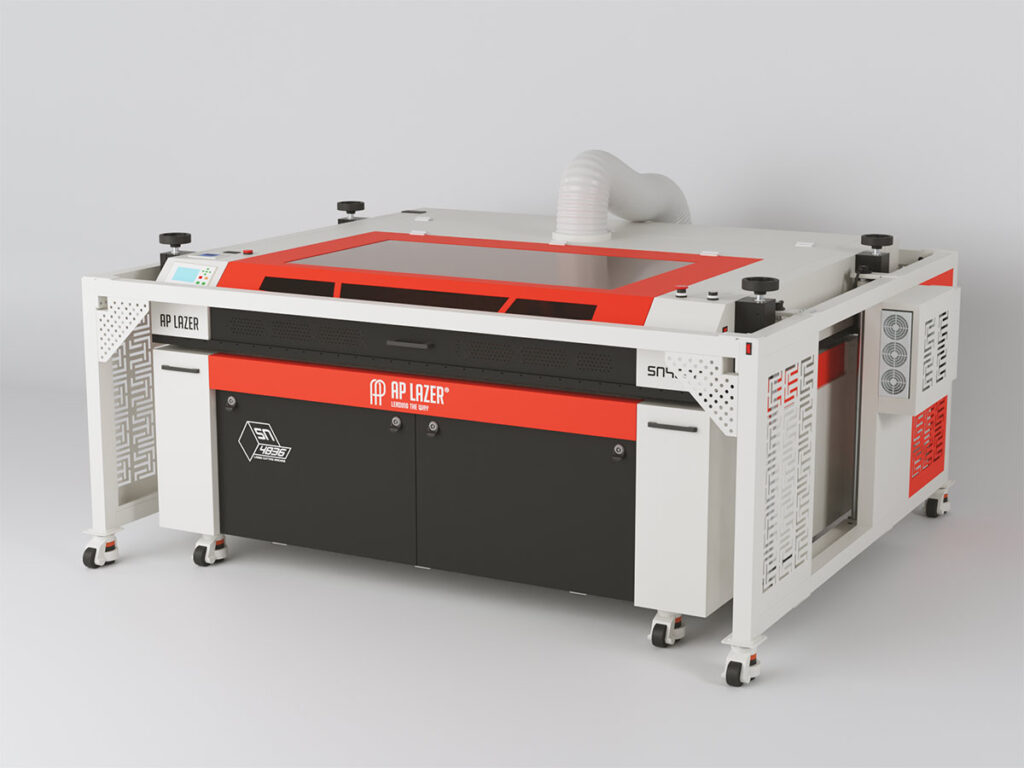
SN4836DLR
Turnkey Price: $39,999
Turnkey Price
$39,999
Engraving Area
48” x 36”
CO2 Power
100 W
MOPA Fiber Options
—
60 W : +$6,999
100W : +$8,999
Footprint
7.1′ x 6′
Lock-in Your Quote
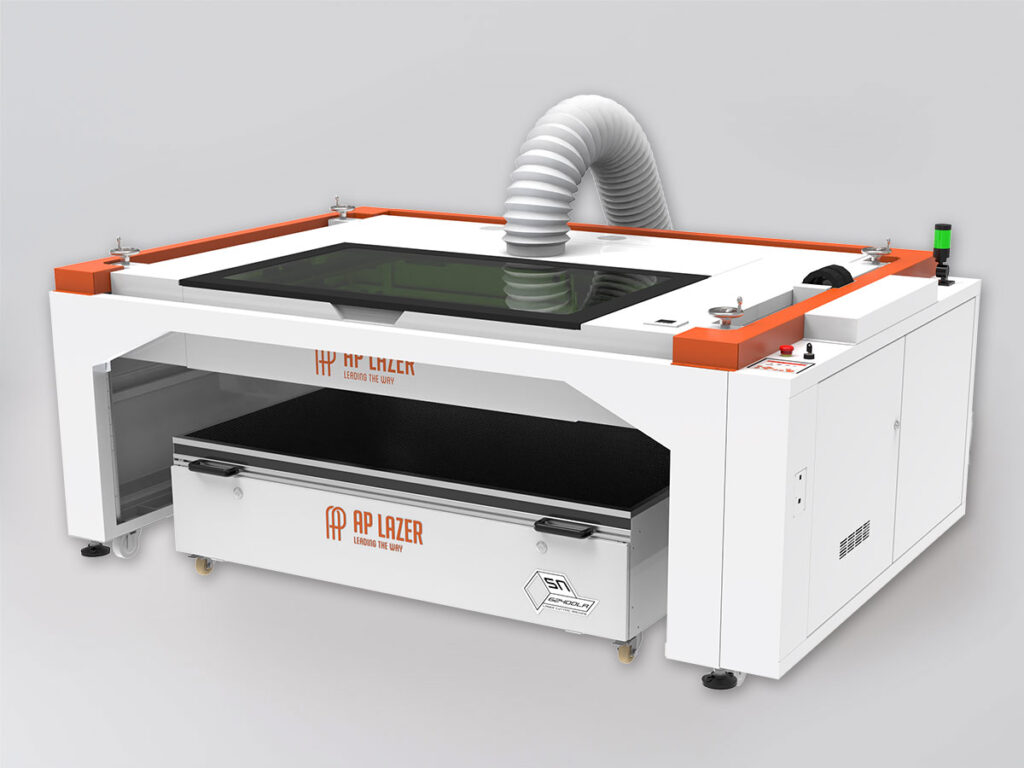
SN624ODLR
Turnkey Price: $52,999
Turnkey Price
$42,999
Engraving Area
62” x 40”
CO2 Power
60 W / 120 W
MOPA Fiber Options
—
60 W : +$6,999
100W : +$8,999
Footprint
8.5′ x 5.9′
Lock-in Your Quote
Which Laser Machine Is Right for Your Business?
Tell us what you want to create and we’ll recommend the right machine to get you started.
Acrylic Laser Cutting Machine FAQs
Yes. CO2 lasers are commonly used for cutting and engraving acrylic. AP Lazer CO2 systems can cut and engrave acrylic for applications including signs, letters, displays, awards, décor, and custom products.
Acrylic laser cutters can be used to create signs, letters, logos, displays, awards, plaques, décor, ornaments, personalized products, prototypes, and custom acrylic components.
Yes. AP Lazer machines can engrave acrylic with text, logos, photographs, graphics, artwork, and other digital designs.
Yes. AP Lazer CO2 systems can work with a wide range of non-metal materials, including acrylic, wood, plastics, glass, stone, and more. Dual-laser configurations add MOPA fiber capabilities for metal applications.
Both technologies can cut acrylic, but they use different cutting processes. A laser uses a focused beam to cut and engrave without physical cutting tools. AP Lazer's open-architecture design also provides flexibility for working with large or difficult-to-position materials.