
Laser operator training is essential for businesses that want to safely and efficiently onboard employees to commercial laser machines. This guide outlines a structured framework that helps new operators learn machine operations, build confidence with laser technologies, and quickly become productive members of your team.
Readers will learn:
- A step-by-step approach to laser operator training, from safety basics to advanced machine operations
- How laser engraving training courses and hands-on practice help operators master commercial systems
- The differences between CO2 laser machine training and working with fiber laser technology
- Best practices for teaching material testing, software operation, and real production workflows
- How strong support and reliable laser equipment make training easier—even for operators new to laser technologies
Adding laser technology to your business can open the door to new products, higher margins, and exciting creative possibilities. But for many business owners—especially those who may feel cautious about new technology—the biggest question is simple: How do we train new operators quickly and safely?
The good news is that modern laser equipment is designed to be user-friendly and reliable. With the right laser operator training framework, businesses can confidently onboard new team members and help them become skilled laser operators in a short time.
Below is a structured approach that helps companies introduce employees to laser technologies, build confidence, and maintain safe, efficient machine operations.
Why Structured Laser Operator Training Matters
Commercial laser systems are powerful tools that combine precision, automation, and advanced software. When operators receive proper laser engraving training, they can quickly master the process of engraving and cutting a wide range of materials.
A structured program helps businesses:
- Improve safety during machine operations
- Ensure consistent production quality
- Reduce errors and material waste
- Build operator confidence with new laser technologies
Many manufacturers also provide laser engraving training courses and onboarding resources to make the transition even easier.
Step 1: Introduce the Basics of Laser Technology
Before new operators start working on a laser cutting machine, they should understand the fundamentals of how lasers work.
This first step of laser operator training focuses on:
- Understanding different laser technologies
- Learning the role of the laser system
- Recognizing how materials react to laser engraving
- Understanding safety basics
Operators should also learn the differences between major machine types.
For example:
- CO2 laser systems are commonly used for wood, acrylic, glass, leather, and many organic materials.
- Fiber laser machines are typically used for metal marking and engraving.
This foundation makes CO2 laser machine training and advanced applications much easier to learn.
Step 2: Focus on Safety First
Safety should always be the first hands-on lesson in any laser cutting machine operator training program. Before operating a machine, new laser operators need to understand the essential safety procedures that protect both the operator and the equipment.
This includes learning proper machine startup and shutdown procedures, understanding how safety interlocks and protective systems work, and becoming familiar with ventilation and exhaust requirements. Operators should also be trained on how to handle different materials safely during machine operations, since some materials require special precautions when being engraved or cut.
In addition to these procedures, operators should learn how to recognize potential hazards and respond appropriately if something unexpected occurs. The good news is that modern laser equipment is designed with safety in mind. Many machines include built-in safety systems and protective features that make operation safer, more reliable, and easier for new operators to learn.
Step 3: Hands-On Machine Operations
Once operators understand the basics, it’s time to move into real machine operations.
This phase of laser engraving training introduces operators to the physical machine and control interface.
Key training topics include:
- Loading materials into the laser cutting machine
- Setting focus and positioning
- Running test engravings
- Understanding speed and power settings
- Monitoring the machine during operation
Hands-on learning helps build familiarity and confidence with the laser system.
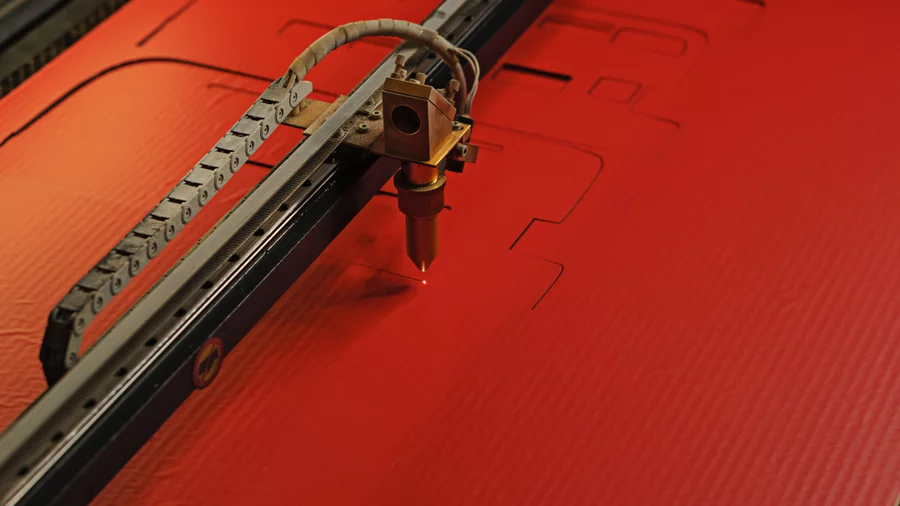
Many operators quickly discover that modern machines are surprisingly intuitive to use.
Step 4: Software and Design Training
Operating a commercial laser system also involves understanding the design software used to prepare artwork and machine instructions. During this stage of laser operator training, employees learn how to work with the software that controls the laser system and translates designs into instructions the machine can follow.
This training typically includes learning how to import design files into the program, adjust engraving settings based on the material being used, create accurate cutting paths, and send completed jobs from the software directly to the machine. These steps allow operators to move from design to production smoothly and efficiently.
Software instruction is a critical part of many laser engraving training courses, because it connects creative design with real-world manufacturing. Once operators become comfortable with the software and understand how different settings affect the final result, producing consistent, high-quality work with the laser system becomes much easier.
Step 5: Material Testing and Application Practice
Every material responds differently to laser processing, which is why effective laser cutting machine operator training includes hands-on testing with real materials. During this stage, operators practice laser engraving and cutting on common materials such as wood, acrylic, leather, glass, and metal when using fiber laser machines. This practical experience helps operators understand how each material reacts to the laser beam.
Working with a variety of materials allows operators to learn how to adjust machine settings for the best results. Through practice, they also learn how to identify and fix common issues such as burn marks, incomplete cuts, or inconsistent engraving, helping them build confidence and improve the quality of their work.
Step 6: Build Confidence Through Small Projects
One of the best ways to reinforce training is by allowing operators to complete simple projects.
These projects might include:
- Engraved plaques
- Nameplates
- Promotional items
- Simple signage
Completing real projects helps new laser operators build confidence while reinforcing the concepts they learned during laser engraving training.
This approach also helps operators understand how laser technology fits into real business workflows.
Step 7: Provide Ongoing Training and Support
Training shouldn’t stop once an operator learns the basics. Successful companies provide ongoing education and support.
Many manufacturers offer online laser engraving training courses, video tutorials, technical documentation, and live support teams. Having access to strong customer support can make a huge difference—especially for businesses that are new to laser technologies.
Knowing help is always available gives operators confidence when trying new applications or materials.
Why Modern Laser Systems Are Easier to Use Than Ever
Some business owners worry that laser technology might be complicated or difficult to manage. In reality, today’s machines are designed to simplify machine operations.
Modern laser systems offer:
- User-friendly software interfaces
- Automated focus features
- Reliable performance
- Built-in safety systems
- Consistent results across different materials
With proper laser operator training, even employees with no prior experience can become productive operators quickly.
The Bottom Line
Training new operators doesn’t have to be complicated. With a structured laser operator training framework, businesses can safely introduce employees to commercial laser equipment and build a skilled team in a short time.
From introductory CO2 laser machine training to advanced material applications, the key is to combine education, hands-on practice, and ongoing support.
By investing in the right laser engraving training and laser cutting machine operator training, companies can unlock the full potential of their laser cutting machines, fiber laser systems, and engraving technologies.
And once operators realize how reliable and easy these machines are to use, they often discover that working with lasers is not only productive—but also incredibly rewarding.
Get ongoing support and education on laser machines by AP Lazer.